.png)
Tobacco Control
Investing in public health through excise taxes, why is it important?
The risky consumption behavior influences the high health burden due to diseases in several health services. Therefore, in addition to health policies, the government has built a mechanism to control consumption, one of which is through the implementation of excise taxes.

Countering the Narrative of Excise Taxes Harming Tobacco Farmers and Laborers, CISDI Holds Documentary Film Screening in Three Cities
CISDI has just finished a series of roadshows to screen the documentary film "Di Balik Satu Batang" in three cities: Medan, Solo, and Palu. This film presents a portrait of the reality of laborers and tobacco farmers in the cigarette business ecosystem and counteracts the opinion that tobacco excise will harm tobacco farmers and laborers.
CISDI Documentary Film Behind One Cigarette: Counteracting the Narrative on Tobacco Farmers and Laborers
To counteract the misleading narrative about excise tax and workers' welfare, CISDI produced a documentary on the lives of tobacco workers.

The Crowding-out Effect of Tobacco Consumption in Indonesia
This study highlights that tobacco spending crowds out household budgets on essential commodities such as food, clothing, housing, education, and health care. The simulation reveals that reducing tobacco spending will significantly increase household spending on essential commodities.
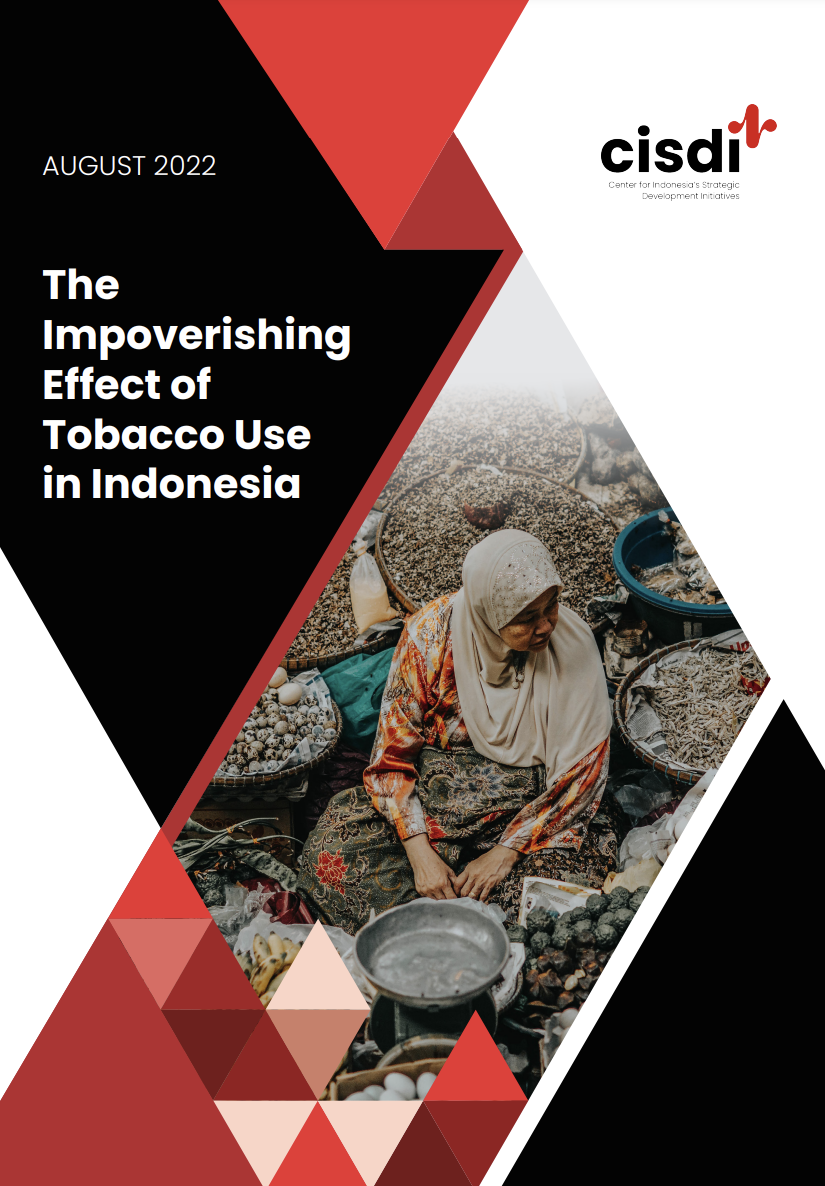
The Impoverishing Effect of Tobacco Use in Indonesia
Smoking households divert 11% of their budget to buy cigarettes and other tobacco products. Tobacco spending could be deemed as wasteful spending for three main reasons: (1) it does not contribute to calorie intake, (2) it diverts resources from spending on essential commodities, and (3) it adversel
Ku Kira Ku Sehat, Raising Health Awareness Through A Fun Festival
The Ku Kira Ku Sehat Festival emphasizes the importance of preventing non-communicable diseases caused by unhealthy lifestyles and consumption, and the importance of support from policy elements.
Increase Cigarette Excise Tax, Minister of Finance Uses These Three Studies as References
The policy to increase cigarette excise is based on various findings of academics and community organizations that summarize the losses caused by smoking through the following studies.

Changes in Smoking Status and Behavior After Ten Months of the COVID-19 Pandemic in Indonesia
This research attempts to explore the direction of changes in smoking status and behavior after more than ten months of the COVID-19 pandemic and the determinants of changes in smoking status and behavior by collecting nationally representative data of mobile phone users in Indonesia.
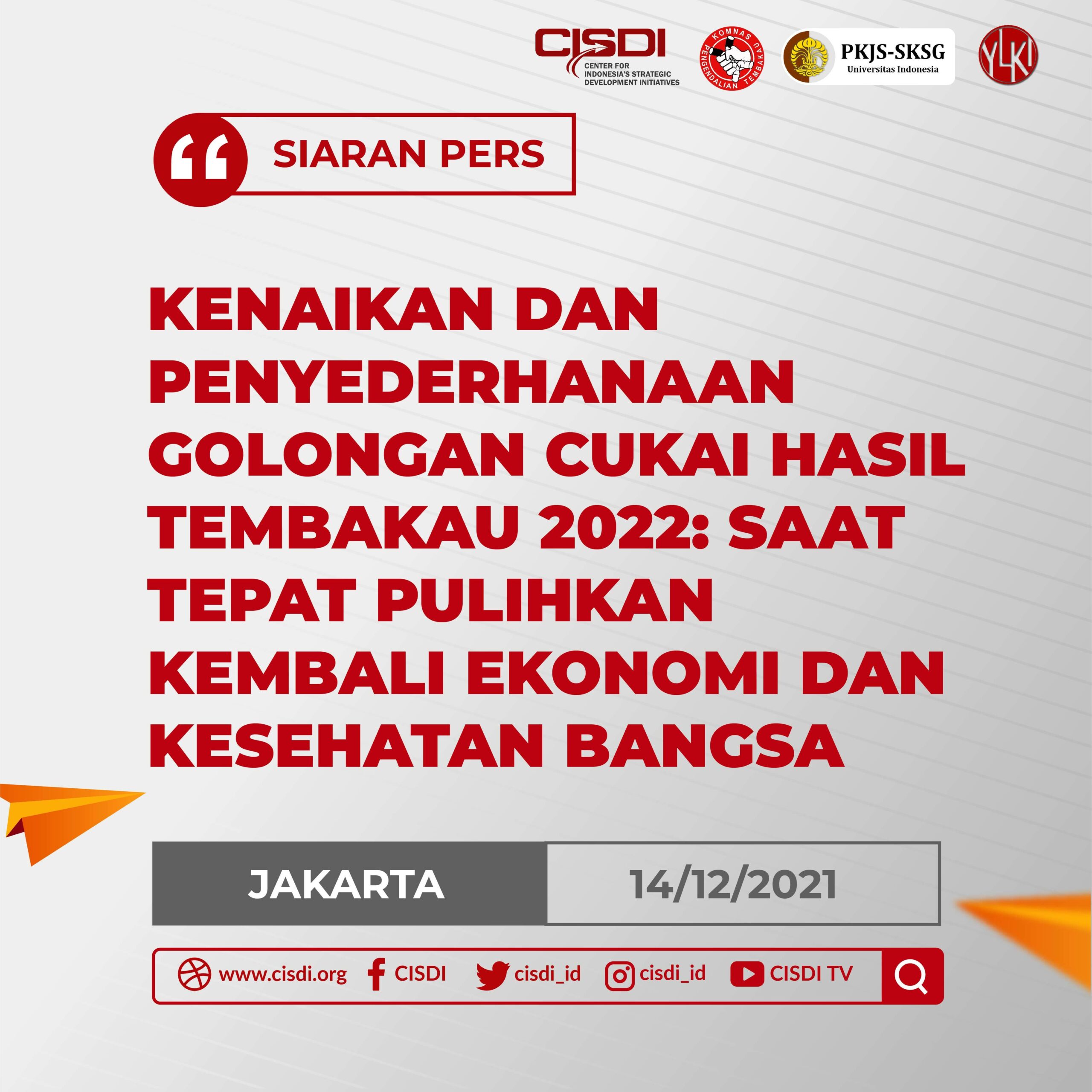
Indonesia in 2022, Rising the Cigarette Excise Tax and Simplifying the System
The cigarette excise rates increased by an average of 12% was just announced by the Ministry of Finance on 13 December 2021. This increase is clearly lower compared to the past two years which reached 12.5% (2021) and 23.5% (2020). However, simplifying the excise tax rate groups from 10 to 8 groups should be appreciated as it potentially enables a reduction in the variety of cheap cigarettes and the prevalence of smokers themselves.
Through thick and thin: Do parental smoking behaviors affect the children's stunting, thinness, and overweight status?
Overall, exposure to paternal smoking increases the risk of stunting, thinness, and overweight in children. Key policies in tobacco-control should be encouraged to reduce the potential long-term effects of paternal smoking on the future human capital and economic growth in the country.
